Buy visitenkarten.eu ?
We are moving the project
visitenkarten.eu .
Are you interested in purchasing the domain
visitenkarten.eu ?
domain@kv-gmbh.de · 0541-91531010
Buy visitenkarten.eu ?
What distinguishes all types of bonding: ionic bonding, metallic bonding, and covalent bonding?
Ionic bonding involves the transfer of electrons from one atom to another, resulting in the formation of positively and negatively charged ions that are attracted to each other. Metallic bonding involves the sharing of electrons among a sea of delocalized electrons, creating a "sea of electrons" that holds the metal atoms together. Covalent bonding involves the sharing of electrons between atoms, resulting in the formation of molecules. Despite their differences, all types of bonding involve the interaction of electrons between atoms to form stable chemical compounds. **
What distinguishes all types of chemical bonding: ionic bonding, metallic bonding, and covalent bonding?
The main distinction among the three types of chemical bonding lies in the way atoms are held together. In ionic bonding, atoms transfer electrons to achieve a stable electron configuration. Metallic bonding involves a sea of delocalized electrons shared among a lattice of metal atoms. Covalent bonding, on the other hand, involves the sharing of electrons between atoms to achieve a stable electron configuration. Each type of bonding results in different properties and behaviors of the substances formed. **

Similar search terms for Bonding
Top-Angebote
Products related to Bonding:
-
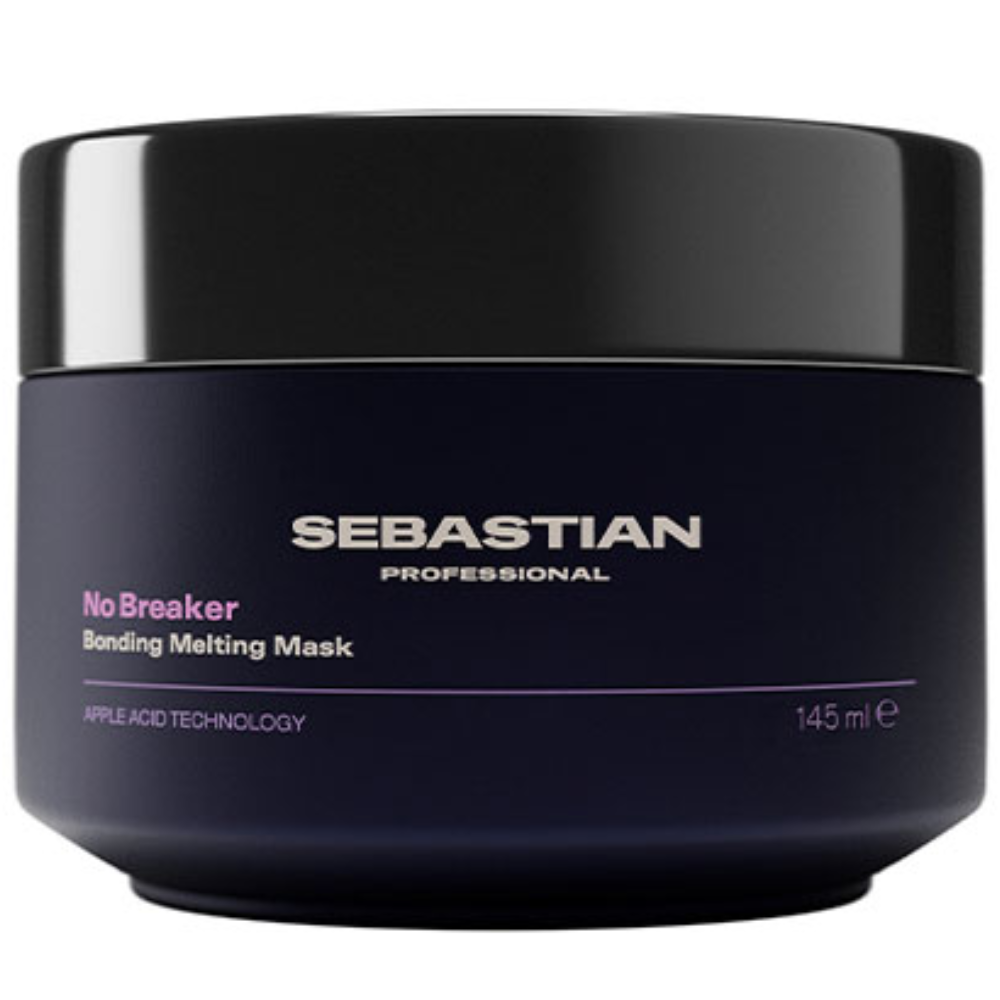
Sebastian Professional No Breaker Bonding Melting Hair Mask 145mLA hair mask. Repairs visible signs of hair damage. Strengthens fragile hair from within. Creates new hair bonds for enhanced resilience. Delivers up to 2x more resistance to breakage*. Improves softness, flexibility, and manageability. Leaves hair silky, smooth, and healthy-looking. Malic Acid Technology: Helps rebuild hair bonds while strengthening and nourishing the hair fiber.20,66 £*Shipping: 6,86 £Secure redirect to the provider
-
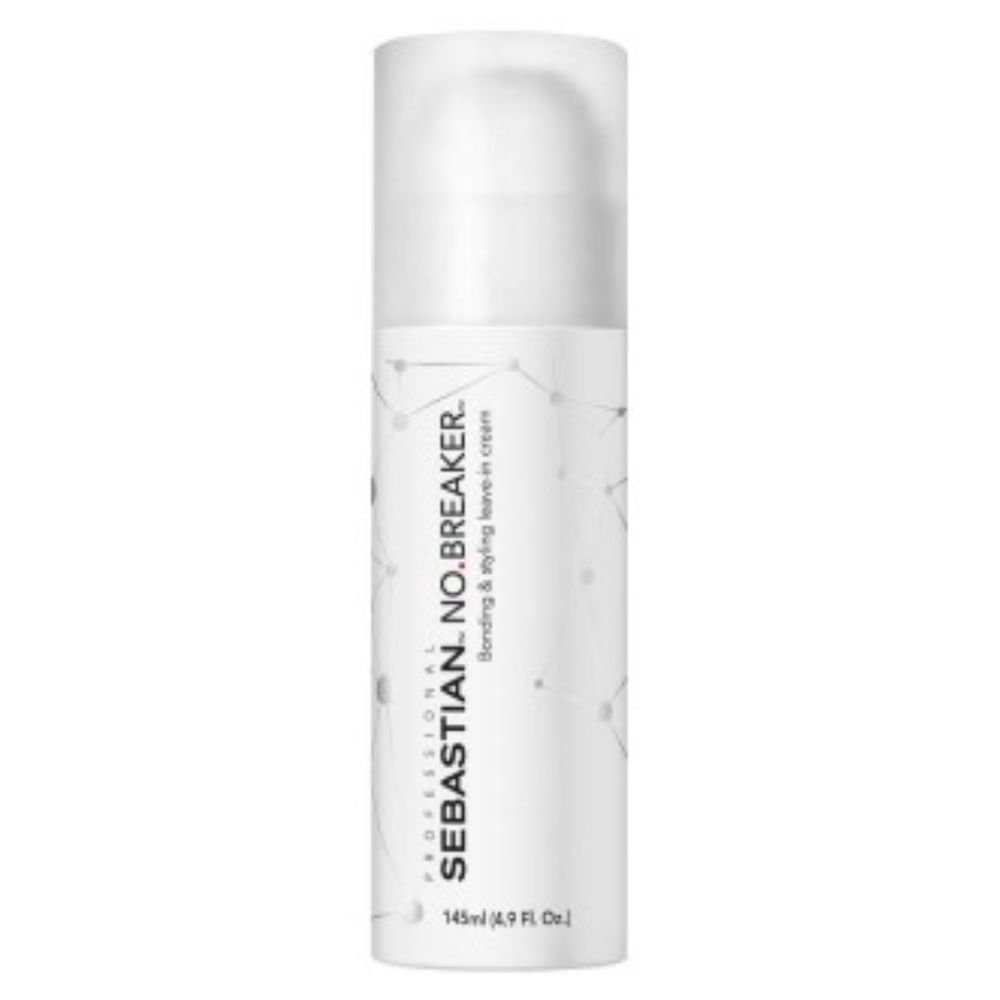
Sebastian Professional No.Breaker Bonding & Styling Leave-In Cream 145Elevate your hair care routine with the Sebastian Professional NO.BREAKER Bonding & Styling Leave-In Cream 145ml, a versatile hybrid product designed for those who refuse to compromise between care and style. Specially formulated for stressed and damaged hair, this professional-grade leave-in cream deeply penetrates the hair cuticle to provide intensive bond-building benefits. It works to repair internal hair bonds while offering significant frizz control, leaving your locks feeling stronger, smoother, and more resilient.Beyond its reparative properties, this styling essential provides a workable hold that makes achieving your favorite looks effortless. It offers essential heat protection up to 230 degrees C (450 degrees F), shielding your strands from the damaging effects of blow-drying and heat styling tools. The lightweight formula ensures deep conditioning without weighing hair down, resulting in a healthy, natural-looking finish with incredible shine and body.To achieve salon-quality results at home, apply the Sebastian Professional NO.BREAKER Bonding & Styling Leave-In Cream 145ml to damp hair, focusing on the mid-lengths through to the ends. Style as usual to reveal frizz-free, manageable hair that stays protected throughout the day. For the best results and continuous bond reinforcement, incorporate this cream into your daily grooming ritual to transform dry, brittle hair into a soft, radiant, and strengthened mane.Key BenefitsProvides intensive bond-building to repair stressed hair and reduce frizz - Offers high-performance heat protection up to 230°C / 450°F for safer styling - Delivers deep conditioning with a workable hold for smooth, manageable resultsIngredients:Aqua/Water/Eau, Pvp, Polyquaternium-37, Propylene Glycol Dicaprylate/Dicaprate, Behentrimonium Chloride, Guar Hydroxypropyltrimonium Chloride, Polyquaternium-4, Sodium Benzoate, Cetearyl Alcohol, Parfum/Fragrance, Phenoxyethanol, Panthenol, Malic Acid, Aminomethyl Propanol, Ppg-1 Trideceth-6, Isopropyl Alcohol, Disodium Edta, Cetyl Alcohol, Peg-20 Stearate, Acrylates/Stearyl Methacrylate Copolymer, Sorbitan Oleate, Hexyl Cinnamal, Citric Acid, Hexamethylindanopyran, Benzyl Salicylate, Terpineol, Linalool, Linalyl Acetate, Citronellol, Hydroxycitronellal, Alpha-Isomethyl Ionone, Tetramethyl Acetyloctahydronaphthalenes, Amyl Cinnamal, Edta, Geraniol, Citrus Limon Peel Oil, Rose Ketones, Dimethyl Phenethyl Acetate, Limonene.32,70 £*Shipping: 0,00 £Secure redirect to the provider
-
Sebastian Professional No Breaker Bonding Melting Mask 500 mlHealth and Beauty Masks Sebastian Professional No Breaker Bonding Melting Mask 500 ml What is No.Breaker Luxury Damage Repair Mask? It repairs visible signs of damage. This is the deep conditioning mask from Sebastian Professional's No.Breaker range. Its rich, creamy texture melts into the hair as it's applied, hence its original English name. It deeply nourishes and helps build hair bonds for stronger hair. Benefits In three to five minutes, damaged hair transforms from rough and brittle to soft and supple, a sign that the hair fiber can once again withstand the pull of a comb. What sets this mask apart from a typical moisturizer is its work on the hair's bonds: it doesn't just coat the surface, it strengthens from within. Panthenol completes the conditioning process, resulting in shinier hair with less visible split ends. Within the complete No.Breaker system, Sebastian claims up to 99% less breakage. Fragrance allergens include hexyl cinnamal, benzyl salicylate, terpineol, linalool, and linalyl acetate. For external use only. Who is it for? For bleached, highlighted, or heat-treated hair that breaks and tangles. This is the intensive step in your routine, to be used once or twice a week, or more often for very damaged hair. How to apply No.Breaker Luxurious Damage Repair Mask to repair visible signs of damage? On clean, damp hair, distribute the mask from mid-lengths to ends. Leave on for 3 to 5 minutes. Clears thoroughly. Product use Avoid contact with eyes and rinse with water if contact occurs. Keep out of reach of children, in a cool, dry place.50,63 £*Shipping: 4,99 £Secure redirect to the provider
-
Sebastian Professional No Breaker Nourishing & Bonding Shampoo 1000 mlHealth and Beauty Shampoos Sebastian Professional No Breaker Nourishing & Bonding Shampoo 1000 ml What is No.Breaker Professional Shampoo Nourishes and Cleanses? It's the shampoo from Sebastian Professional's No.Breaker range, the brand's anti-breakage line. It cleanses and, at the same time, works on the hair's internal bonds, those bridges that weaken with each bleaching, straightening, or dyeing process, and which explain why processed hair breaks. Benefits In addition to cleansing, it removes product buildup that weighs down chemically treated hair, so hair regains movement from the very first use. Bond-building technology is the foundation of the range: Sebastian claims up to 99% less breakage when using the complete system, compared to a shampoo with little conditioning. Panthenol adds nourishment and leaves hair soft after showering, without the tight feeling of a purely detergent shampoo. Sebastian does not claim this formula is vegan or sulfate-free: the INCI list includes sodium lauryl sulfate and sodium laureth sulfate. For external use only. Who is it for? For fragile, damaged, or chemically treated hair: bleached, highlighted, straightened, or frequently dyed hair, and hair that breaks at mid-length. If the problem is only dryness, without breakage, there are other lines from the brand that are more suitable. How to apply No.Breaker Professional Nourishing and Cleansing Shampoo? Apply to damp hair and massage into the scalp. Clarify thoroughly. Continue with the No.Breaker mask to complete the system. Product use Suitable for frequent use. Avoid contact with eyes and rinse with water if contact occurs. Keep out of reach of children, in a cool, dry place.44,11 £*Shipping: 4,99 £Secure redirect to the provider


-
What are examples of ionic bonding, covalent bonding, and metallic bonding?
Ionic bonding occurs when one atom transfers electrons to another, resulting in the formation of positively and negatively charged ions that are attracted to each other. An example of ionic bonding is the bond between sodium and chlorine in sodium chloride (table salt). Covalent bonding occurs when atoms share electrons to achieve a full outer shell. An example of covalent bonding is the bond between two hydrogen atoms in a molecule of hydrogen gas (H2). Metallic bonding occurs in metals, where the outer electrons of the atoms are delocalized and free to move throughout the structure, creating a "sea" of electrons that hold the metal atoms together. An example of metallic bonding is the bond between atoms in a piece of copper metal. **
-
What is the difference between ionic bonding, covalent bonding, and metallic bonding?
Ionic bonding involves the transfer of electrons from one atom to another, resulting in the formation of positively and negatively charged ions that are held together by electrostatic forces. Covalent bonding involves the sharing of electrons between atoms to achieve a stable electron configuration. Metallic bonding occurs in metals, where electrons are delocalized and free to move throughout the material, creating a "sea of electrons" that hold the metal atoms together. Each type of bonding results in different properties and behaviors of the substances involved. **
-
Who is familiar with chemistry in ionic bonding, metallic bonding, and molecular bonding?
Individuals who have studied chemistry at a high school or college level are likely to be familiar with ionic bonding, metallic bonding, and molecular bonding. This includes students, teachers, and professionals in the fields of chemistry, chemical engineering, and materials science. Additionally, those who have a general interest in science and have taken courses or done independent study in chemistry may also have knowledge of these types of chemical bonding. **
-
What is the difference between covalent bonding and ionic bonding?
Covalent bonding involves the sharing of electrons between atoms to achieve a stable electron configuration, typically between nonmetals. Ionic bonding involves the transfer of electrons from one atom to another, resulting in the formation of positively and negatively charged ions that are attracted to each other, typically between a metal and a nonmetal. In covalent bonding, the atoms involved have similar electronegativities, while in ionic bonding, there is a significant difference in electronegativities between the atoms. **

What are the similarities between ionic bonding and covalent bonding?
Both ionic bonding and covalent bonding involve the sharing or transfer of electrons between atoms to achieve a stable electron configuration. In both types of bonding, the goal is for each atom to achieve a full outer electron shell. Additionally, both types of bonding result in the formation of a compound with a neutral charge. However, the key difference between the two is that ionic bonding involves the transfer of electrons from one atom to another, while covalent bonding involves the sharing of electrons between atoms. **
Is ionic bonding a polar or nonpolar atomic bonding in chemistry?
Ionic bonding is a type of polar atomic bonding in chemistry. This is because in an ionic bond, one atom donates an electron to another atom, resulting in the formation of positively and negatively charged ions. These opposite charges create a polar bond, with one end being more positive and the other end being more negative. This creates a strong electrostatic attraction between the ions, leading to the formation of the ionic bond. **
Top-Angebote
Products related to Bonding:
-
Sebastian Professional No.Breaker Nourishing & Bonding Shampoo 280MlElevate your hair care routine with the Sebastian Professional NO.BREAKER Nourishing & Bonding Shampoo 280ml, a powerful formula designed for those with demanding or stressed hair. This professional-grade shampoo goes beyond simple cleansing; it utilizes advanced apple acid technology to deeply nourish and strengthen hair fibers from the inside out. By building new bonds within the hair structure, it transforms brittle strands into soft, mighty locks with incredible resilience.Ideal for hair that has been weakened by heat styling or chemical treatments, this bonding shampoo provides the essential care needed to restore body and bounce. The lightweight yet effective formula ensures your hair feels clean and refreshed while maintaining a silky texture that is easy to manage. Regular use helps to protect against future breakage, leaving you with healthier-looking hair that radiates a natural shine.For professional results at home, apply the Sebastian Professional NO.BREAKER Nourishing & Bonding Shampoo 280ml to wet hair and massage it gently into the scalp and through the lengths. Rinse thoroughly and follow with the No Breaker Melting Mask to maximize the strengthening and softening benefits. Experience the ultimate in hair restoration and get ready for serious bonding time with this essential addition to your Sebastian Professional collection.Key BenefitsStrengthens and cleanses demanding hair for softer, mightier strands - Provides intensive nourishment and bond-building with apple acid technology - Leaves stressed hair feeling clean, soft, and bouncyIngredients:Aqua/Water/Eau, Sodium Lauryl Sulfate, Sodium Laureth Sulfate, Cocamidopropyl Betaine, Glycol Distearate, Dimethicone, Cocamide Mea, Parfum/Fragrance, Panthenol, Sodium Benzoate, Malic Acid, Guar Hydroxypropyltrimonium Chloride, Sodium Citrate, Sodium Chloride, Trisodium Ethylenediamine Disuccinate, Glycerin, Hexyl Cinnamal, Sodium Hydroxide, Hexamethylindanopyran, Benzyl Salicylate, Terpineol, Linalool, Hydrochloric Acid, Linalyl Acetate, Citric Acid, Magnesium Nitrate, Methylchloroisothiazolinone, Magnesium Chloride, Methylisothiazolinone, Sodium Xylenesulfonate.24,40 £*Shipping: 2,95 £Secure redirect to the provider
-
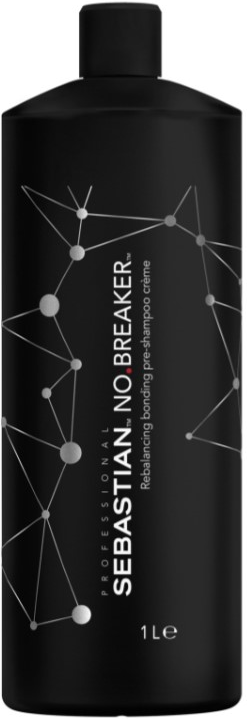
Sebastian Professional No Breaker Rebalancing Bonding Pre-ShampooHealth and Beauty Shampoos Sebastian Professional No Breaker Rebalancing Bonding Pre-Shampoo Sebastian Professional No Breaker Rebalancing Bonding Pre-Shampoo Cream 1000 ml Sebastian Professional No Breaker Rebalancing Bonding Pre-Shampoo Cream 1000 ml What is Sebastian Professional No Breaker Rebalancing Bonding Pre-Shampoo Cream 1000 ml? Sebastian Professional No Breaker Rebalancing Bonding Pre-Shampoo Cream 1000 ml is an innovative treatment designed to protect and strengthen hair before washing. Its rebalancing formula helps repair damaged hair fibres, providing strength, hydration and shine from the first use. Ideal for those looking for healthy, revitalised hair with salon quality. Benefits Hair strengthening: Repairs the hair structure from the inside. Deep Hydration: Intensely nourishes to prevent dryness and breakage. Rebalancing: Restores the natural balance of the hair and scalp. Perfect preparation: Optimizes hair for subsequent treatments or styling. Who is it for? Sebastian Professional No Breaker Rebalancing Bonding Pre-Shampoo Cream 1000 ml is perfect for: People with hair damaged by the use of thermal tools or chemical processes. Those who want to strengthen and protect their hair from future damage. Users looking for professional care and visible results in their hair routine. How do I apply it? Follow these steps for best results: Apply a generous amount to damp hair before washing. Massage from roots to ends, making sure to cover every strand. Leave it on for 10 minutes to allow the ingredients to penetrate deeply. Rinse thoroughly and follow with your favorite shampoo and conditioner. Product Usage Suitable for weekly use as part of your hair care routine. It works on all hair types, especially damaged or processed hair. Store in a cool, dry place, away from direct sunlight. Buy Sebastian Professional No Breaker Rebalancing Bonding Pre-Shampoo Cream 1000 ml Transform your hair with Sebastian Professional No Breaker Rebalancing Bonding Pre-Shampoo Cream 1000 ml . Enjoy stronger, more hydrated and balanced hair with this professional treatment. Order yours today and experience unparalleled results!47,49 £*Shipping: 3,99 £Secure redirect to the provider
-
Sebastian Professional No Breaker Bonding Melting Hair Mask 145mLA hair mask. Repairs visible signs of hair damage. Strengthens fragile hair from within. Creates new hair bonds for enhanced resilience. Delivers up to 2x more resistance to breakage*. Improves softness, flexibility, and manageability. Leaves hair silky, smooth, and healthy-looking. Malic Acid Technology: Helps rebuild hair bonds while strengthening and nourishing the hair fiber.20,66 £*Shipping: 6,86 £Secure redirect to the provider
-
Sebastian Professional No.Breaker Bonding & Styling Leave-In Cream 145Elevate your hair care routine with the Sebastian Professional NO.BREAKER Bonding & Styling Leave-In Cream 145ml, a versatile hybrid product designed for those who refuse to compromise between care and style. Specially formulated for stressed and damaged hair, this professional-grade leave-in cream deeply penetrates the hair cuticle to provide intensive bond-building benefits. It works to repair internal hair bonds while offering significant frizz control, leaving your locks feeling stronger, smoother, and more resilient.Beyond its reparative properties, this styling essential provides a workable hold that makes achieving your favorite looks effortless. It offers essential heat protection up to 230 degrees C (450 degrees F), shielding your strands from the damaging effects of blow-drying and heat styling tools. The lightweight formula ensures deep conditioning without weighing hair down, resulting in a healthy, natural-looking finish with incredible shine and body.To achieve salon-quality results at home, apply the Sebastian Professional NO.BREAKER Bonding & Styling Leave-In Cream 145ml to damp hair, focusing on the mid-lengths through to the ends. Style as usual to reveal frizz-free, manageable hair that stays protected throughout the day. For the best results and continuous bond reinforcement, incorporate this cream into your daily grooming ritual to transform dry, brittle hair into a soft, radiant, and strengthened mane.Key BenefitsProvides intensive bond-building to repair stressed hair and reduce frizz - Offers high-performance heat protection up to 230°C / 450°F for safer styling - Delivers deep conditioning with a workable hold for smooth, manageable resultsIngredients:Aqua/Water/Eau, Pvp, Polyquaternium-37, Propylene Glycol Dicaprylate/Dicaprate, Behentrimonium Chloride, Guar Hydroxypropyltrimonium Chloride, Polyquaternium-4, Sodium Benzoate, Cetearyl Alcohol, Parfum/Fragrance, Phenoxyethanol, Panthenol, Malic Acid, Aminomethyl Propanol, Ppg-1 Trideceth-6, Isopropyl Alcohol, Disodium Edta, Cetyl Alcohol, Peg-20 Stearate, Acrylates/Stearyl Methacrylate Copolymer, Sorbitan Oleate, Hexyl Cinnamal, Citric Acid, Hexamethylindanopyran, Benzyl Salicylate, Terpineol, Linalool, Linalyl Acetate, Citronellol, Hydroxycitronellal, Alpha-Isomethyl Ionone, Tetramethyl Acetyloctahydronaphthalenes, Amyl Cinnamal, Edta, Geraniol, Citrus Limon Peel Oil, Rose Ketones, Dimethyl Phenethyl Acetate, Limonene.32,70 £*Shipping: 0,00 £Secure redirect to the provider
-
What distinguishes all types of bonding: ionic bonding, metallic bonding, and covalent bonding?
Ionic bonding involves the transfer of electrons from one atom to another, resulting in the formation of positively and negatively charged ions that are attracted to each other. Metallic bonding involves the sharing of electrons among a sea of delocalized electrons, creating a "sea of electrons" that holds the metal atoms together. Covalent bonding involves the sharing of electrons between atoms, resulting in the formation of molecules. Despite their differences, all types of bonding involve the interaction of electrons between atoms to form stable chemical compounds. **
-
What distinguishes all types of chemical bonding: ionic bonding, metallic bonding, and covalent bonding?
The main distinction among the three types of chemical bonding lies in the way atoms are held together. In ionic bonding, atoms transfer electrons to achieve a stable electron configuration. Metallic bonding involves a sea of delocalized electrons shared among a lattice of metal atoms. Covalent bonding, on the other hand, involves the sharing of electrons between atoms to achieve a stable electron configuration. Each type of bonding results in different properties and behaviors of the substances formed. **
-
What are examples of ionic bonding, covalent bonding, and metallic bonding?
Ionic bonding occurs when one atom transfers electrons to another, resulting in the formation of positively and negatively charged ions that are attracted to each other. An example of ionic bonding is the bond between sodium and chlorine in sodium chloride (table salt). Covalent bonding occurs when atoms share electrons to achieve a full outer shell. An example of covalent bonding is the bond between two hydrogen atoms in a molecule of hydrogen gas (H2). Metallic bonding occurs in metals, where the outer electrons of the atoms are delocalized and free to move throughout the structure, creating a "sea" of electrons that hold the metal atoms together. An example of metallic bonding is the bond between atoms in a piece of copper metal. **
-
What is the difference between ionic bonding, covalent bonding, and metallic bonding?
Ionic bonding involves the transfer of electrons from one atom to another, resulting in the formation of positively and negatively charged ions that are held together by electrostatic forces. Covalent bonding involves the sharing of electrons between atoms to achieve a stable electron configuration. Metallic bonding occurs in metals, where electrons are delocalized and free to move throughout the material, creating a "sea of electrons" that hold the metal atoms together. Each type of bonding results in different properties and behaviors of the substances involved. **
Similar search terms for Bonding
-
Sebastian Professional No Breaker Bonding Melting Mask 500 mlHealth and Beauty Masks Sebastian Professional No Breaker Bonding Melting Mask 500 ml What is No.Breaker Luxury Damage Repair Mask? It repairs visible signs of damage. This is the deep conditioning mask from Sebastian Professional's No.Breaker range. Its rich, creamy texture melts into the hair as it's applied, hence its original English name. It deeply nourishes and helps build hair bonds for stronger hair. Benefits In three to five minutes, damaged hair transforms from rough and brittle to soft and supple, a sign that the hair fiber can once again withstand the pull of a comb. What sets this mask apart from a typical moisturizer is its work on the hair's bonds: it doesn't just coat the surface, it strengthens from within. Panthenol completes the conditioning process, resulting in shinier hair with less visible split ends. Within the complete No.Breaker system, Sebastian claims up to 99% less breakage. Fragrance allergens include hexyl cinnamal, benzyl salicylate, terpineol, linalool, and linalyl acetate. For external use only. Who is it for? For bleached, highlighted, or heat-treated hair that breaks and tangles. This is the intensive step in your routine, to be used once or twice a week, or more often for very damaged hair. How to apply No.Breaker Luxurious Damage Repair Mask to repair visible signs of damage? On clean, damp hair, distribute the mask from mid-lengths to ends. Leave on for 3 to 5 minutes. Clears thoroughly. Product use Avoid contact with eyes and rinse with water if contact occurs. Keep out of reach of children, in a cool, dry place.50,63 £*Shipping: 4,99 £Secure redirect to the provider
-
Sebastian Professional No Breaker Nourishing & Bonding Shampoo 1000 mlHealth and Beauty Shampoos Sebastian Professional No Breaker Nourishing & Bonding Shampoo 1000 ml What is No.Breaker Professional Shampoo Nourishes and Cleanses? It's the shampoo from Sebastian Professional's No.Breaker range, the brand's anti-breakage line. It cleanses and, at the same time, works on the hair's internal bonds, those bridges that weaken with each bleaching, straightening, or dyeing process, and which explain why processed hair breaks. Benefits In addition to cleansing, it removes product buildup that weighs down chemically treated hair, so hair regains movement from the very first use. Bond-building technology is the foundation of the range: Sebastian claims up to 99% less breakage when using the complete system, compared to a shampoo with little conditioning. Panthenol adds nourishment and leaves hair soft after showering, without the tight feeling of a purely detergent shampoo. Sebastian does not claim this formula is vegan or sulfate-free: the INCI list includes sodium lauryl sulfate and sodium laureth sulfate. For external use only. Who is it for? For fragile, damaged, or chemically treated hair: bleached, highlighted, straightened, or frequently dyed hair, and hair that breaks at mid-length. If the problem is only dryness, without breakage, there are other lines from the brand that are more suitable. How to apply No.Breaker Professional Nourishing and Cleansing Shampoo? Apply to damp hair and massage into the scalp. Clarify thoroughly. Continue with the No.Breaker mask to complete the system. Product use Suitable for frequent use. Avoid contact with eyes and rinse with water if contact occurs. Keep out of reach of children, in a cool, dry place.44,11 £*Shipping: 4,99 £Secure redirect to the provider
-
Sebastian Professional No.Breaker Hybrid Bonding and Styling Leave-inSebastian Professional No.Breaker Hybrid Bonding and Styling Leave-in Spray delivers 99% less hair breakage compared to other low conditioning shampoo. Repairing, strengthening and smoothing the hair whilst maintaining hair's natural volume and body for exceptional styling, this hybrid bonding and styling leave-in spray is a must-have for your hair care collection. Formulated with 87% naturally derived ingredients including Apple Acid & styling polymers that penetrate deep into the hair cuticle, creating new hair bonds and repairing even severe damage caused by hot tools and chemical services. Ingredients /Water/Eau, Propylene Glycol, Behentrimonium Chloride, Amodimethicone, Quaternium-80, Cetrimonium Chloride, Isopropyl Alcohol, Panthenol, PVP, Malic Acid, Parfum/Fragrance, Methylparaben, Trideceth-12, Disodium EDTA, Phenoxyethanol, Sodium Hydroxide, Citric Acid, Hexyl Cinnamal, Benzyl Salicylate, Linalool, Citronellol, Hydroxycitronellal, Alpha-Isomethyl Ionone, Amyl Cinnamal, Geraniol, BHT.32,94 £*Shipping: 0,00 £Secure redirect to the provider
-
Sebastian Professional NO.BREAKER Bonding and Styling Leave-in Cream 145mLA shampoo. Strengthen, protect, and style in one step with SEBASTIAN NO.BREAKER Creme Styling Leave-in. Achieve frizz-free, flexible hold while intensely conditioning and shielding hair from heat. Up to 20x stronger hair vs. low-conditioning shampoo. Intense conditioning with a lightweight feel. Flexible hold for versatile styling.19,23 £*Shipping: 5,16 £Secure redirect to the provider
-
Who is familiar with chemistry in ionic bonding, metallic bonding, and molecular bonding?
Individuals who have studied chemistry at a high school or college level are likely to be familiar with ionic bonding, metallic bonding, and molecular bonding. This includes students, teachers, and professionals in the fields of chemistry, chemical engineering, and materials science. Additionally, those who have a general interest in science and have taken courses or done independent study in chemistry may also have knowledge of these types of chemical bonding. **
-
What is the difference between covalent bonding and ionic bonding?
Covalent bonding involves the sharing of electrons between atoms to achieve a stable electron configuration, typically between nonmetals. Ionic bonding involves the transfer of electrons from one atom to another, resulting in the formation of positively and negatively charged ions that are attracted to each other, typically between a metal and a nonmetal. In covalent bonding, the atoms involved have similar electronegativities, while in ionic bonding, there is a significant difference in electronegativities between the atoms. **
-
What are the similarities between ionic bonding and covalent bonding?
Both ionic bonding and covalent bonding involve the sharing or transfer of electrons between atoms to achieve a stable electron configuration. In both types of bonding, the goal is for each atom to achieve a full outer electron shell. Additionally, both types of bonding result in the formation of a compound with a neutral charge. However, the key difference between the two is that ionic bonding involves the transfer of electrons from one atom to another, while covalent bonding involves the sharing of electrons between atoms. **
-
Is ionic bonding a polar or nonpolar atomic bonding in chemistry?
Ionic bonding is a type of polar atomic bonding in chemistry. This is because in an ionic bond, one atom donates an electron to another atom, resulting in the formation of positively and negatively charged ions. These opposite charges create a polar bond, with one end being more positive and the other end being more negative. This creates a strong electrostatic attraction between the ions, leading to the formation of the ionic bond. **
* All prices are inclusive of VAT and, if applicable, plus shipping costs. The offer information is based on the details provided by the respective shop and is updated through automated processes. Real-time updates do not occur, so deviations can occur in individual cases. ** Note: Parts of this content were created by AI.